
INVIMA Sanitary Registration: A Complete Guide for Colombia (2026)
In this guide9 sections
- What is INVIMA and why is the sanitary authorization mandatory?
- Types of sanitary authorization
- Types of process: automatic and non-automatic
- INVIMA’s platforms
- General process to obtain the sanitary authorization
- Validity terms by product category
- Checking sanitary registrations
- Frequent mistakes that delay filings
- Next step
The INVIMA sanitary registration is the authorization that manufacturers and importers must obtain to sell regulated products in Colombia: foods, medications, medical devices, cosmetics, dietary supplements, phytotherapeutics, homeopathics, biologicals, cleaning and hygiene products, household pesticides, alcoholic beverages, in vitro diagnostic reagents, among others.
Depending on the product category, this authorization can be of different types: sanitary registration, sanitary permit, or sanitary notification.
This guide covers the types of authorization, INVIMA’s platforms, the types of process, the validity terms by category, and the frequent mistakes that delay filings. If your company needs regulatory support, SPI Américas’ regulatory affairs team can advise you. Write to us at [email protected].
What is INVIMA and why is the sanitary authorization mandatory?
The Instituto Nacional de Vigilancia de Medicamentos y Alimentos (Invima), Colombia’s national institute for the surveillance of medicines and food, is the country’s health authority responsible for inspection, surveillance, and control functions over products that affect public health. For a regulated product to be legally manufactured, imported, or sold in the country, INVIMA must issue the corresponding sanitary authorization.
Each product category has its own regulations. The specific rules by product type are published at invima.gov.co.
Types of sanitary authorization
The sanitary authorization INVIMA issues can be of different types depending on the product category. Every regulated product has a classification according to the rule that applies to it. Some are classified by risk level (such as foods, medical devices, and in vitro diagnostic reagents), others by type of use or origin (such as phytotherapeutics, which are classified into Preparaciones Farmacéuticas con base en Plantas Medicinales (PFM), Producto Fitoterapéutico de uso Tradicional (PFT), or Producto Fitoterapéutico de uso Tradicional Importado (PFTI)), others by their source (chemically synthesized or biological medications), among others.
Sanitary registration
This is the type of authorization that applies to products requiring a detailed technical evaluation before they are sold. The following require sanitary registration: medications, biologicals, homeopathics, dietary supplements, phytotherapeutics, medical devices (all classes), in vitro diagnostic reagents, alcoholic beverages, and foods classified as high risk. The validity varies by product (see the validity table).
Sanitary permit
Applies exclusively to foods classified as medium risk to public health. Validity: 7 years.
Sanitary notification for foods
Applies exclusively to foods classified as low risk to public health. Validity: 10 years.
Mandatory sanitary notification (NSO)
Applies to cosmetics and to household hygiene products and personal hygiene absorbents. It is a sworn statement before INVIMA in which the holder declares that the product meets quality standards in its manufacture. For cosmetics, the holder must have legal domicile in a member country of the Andean Community (CAN: Colombia, Ecuador, Peru, or Bolivia). Validity: 7 years for cosmetics and household hygiene products.
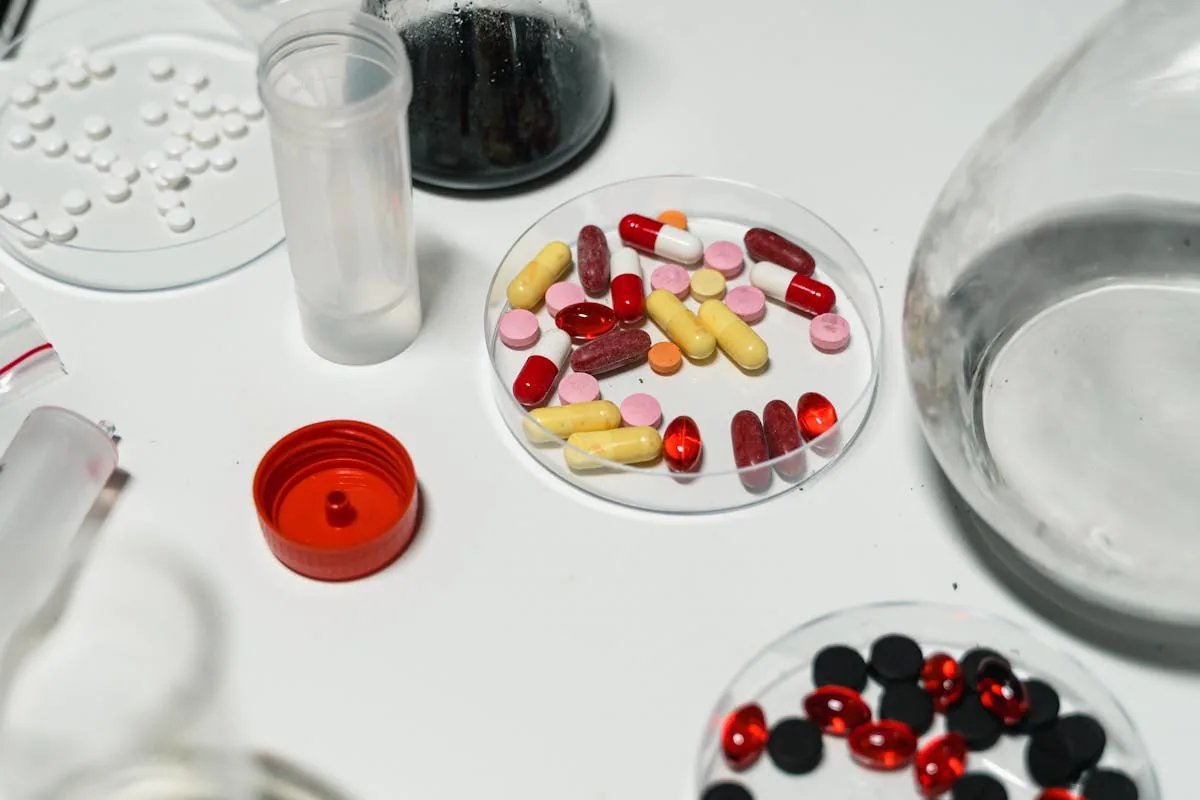
Medications, supplements, and devices require INVIMA sanitary registration before sale.
Types of process: automatic and non-automatic
Regardless of the type of authorization, filings before INVIMA follow one of two types of process:
Automatic process with later control
The authorization is issued once the information and payment are completed on the platform, with no prior technical evaluation. Afterward, INVIMA carries out a review of the documents. If the evaluator finds inconsistencies, it issues an official requirement. The sale of the product is not affected unless the requirement is not answered satisfactorily.
This process applies to foods (all risk classifications), class I and IIA medical devices, in vitro diagnostic reagents categories I and II, cosmetics, and hygiene products.
In InvimAgil (foods), the authorization is issued immediately once the information is completed. For the other products with an automatic process filed through the Oficina Virtual (INVIMA’s online portal), such as cosmetics and class I and IIA medical devices, the authorization goes through a basic review before it is accepted, which can take days, weeks, or even months depending on the product. In InvimAgil, failing to answer the requirements within the deadlines results in suspension of the sanitary registration.
Non-automatic process with prior control
An INVIMA evaluator reviews the technical and legal documentation before issuing the authorization. If it finds deficiencies, it can issue requirements for additional information. If the holder does not respond within the set deadline, the application is declared abandoned. Evaluation times vary by product type and can range from a few months to several years. This process applies to medications, class IIB and III medical devices, in vitro diagnostic reagents category III, and other more complex products.
INVIMA’s platforms
INVIMA runs two main platforms for handling filings:
Oficina Virtual del Invima (app.invima.gov.co), INVIMA’s online portal: the main platform for most filings, including medications, medical devices, dietary supplements, phytotherapeutics, cosmetics, hygiene products, and other regulated products. Since 2020, INVIMA moved all processes to digital format through this platform as part of its institutional modernization.
InvimAgil (mesagil.invima.gov.co): a specific platform currently enabled for foods and non-alcoholic beverages. On this platform you do not file an application in the traditional sense: the user fills in and uploads all the requested information directly into the system. INVIMA plans to migrate the remaining products to this platform gradually.
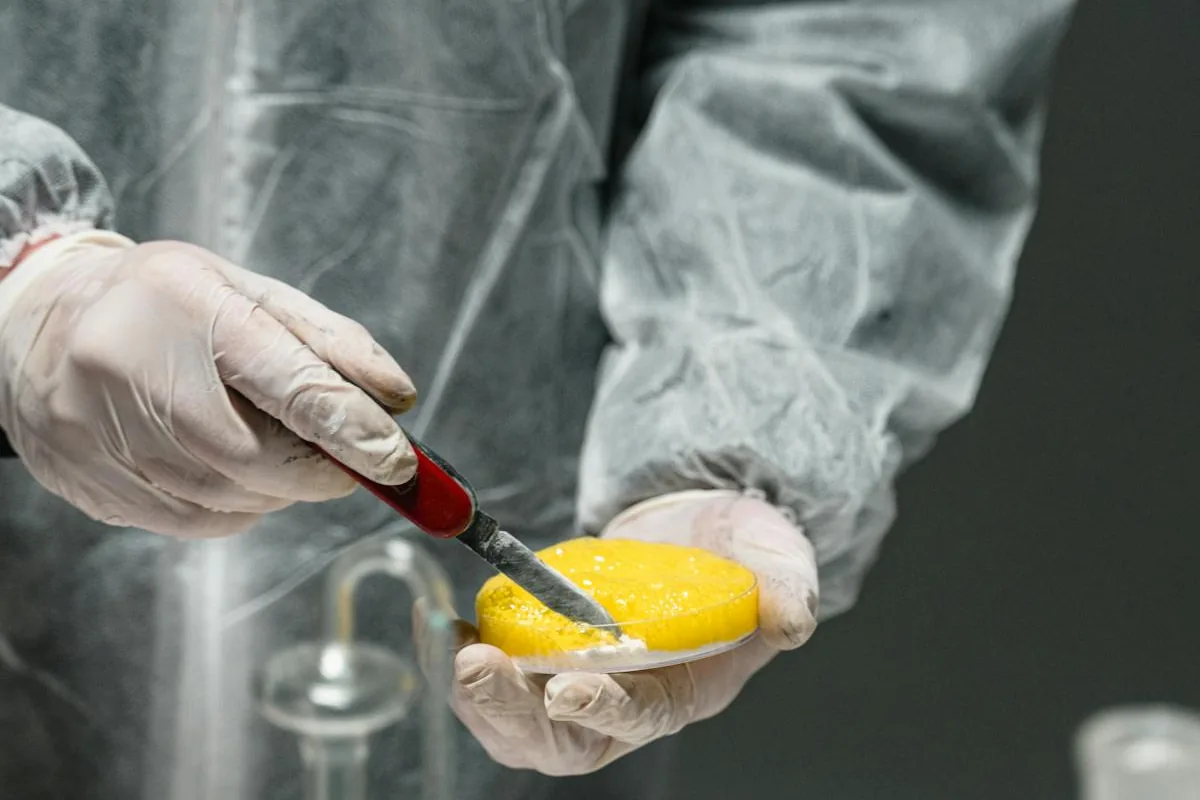
Quality control in the laboratory during INVIMA’s sanitary authorization process.
General process to obtain the sanitary authorization
The process varies by product category and the platform used. The specific requirements for each product type must be checked directly at invima.gov.co/tramites-y-servicios/requisitos-tramites.
1. Classify the product
Determine your product’s category under the rules in force. Each category has its own rule, its own process, and in some cases its own platform. An incorrect classification leads to rejection of the application.
2. Gather the documentation
The legal and technical documentation requirements are different for each product category. Check the specific requirements for your product type at invima.gov.co/tramites-y-servicios/requisitos-tramites. If you work with SPI Américas, our regulatory team sends you a concise list of the requirements that apply to your product.
3. Pay the fee
In InvimAgil, payment is made within the platform during the information-upload process. For filings through the Oficina Virtual, payment is made before submitting the application, since the receipt must be included within the documentation provided. The fees are set in INVIMA’s Manual Tarifario (fee schedule), which is updated annually. The current fee schedule is available at invima.gov.co/tramites-y-servicios/tarifas.
4. Submit the application
Submit the application with the complete documentation on the corresponding platform. In the Oficina Virtual, the application is submitted digitally. In InvimAgil, all the information is filled in and uploaded directly on the platform. Once the application is submitted, the filing follows the type of process that corresponds to the product category.
5. Post-authorization surveillance
Obtaining the sanitary authorization is not the end of the process. INVIMA carries out inspection, surveillance, and control functions on an ongoing basis. This includes visits to establishments, ex officio reviews, and verification of manufacturing, storage, and sale conditions. INVIMA can suspend or cancel the authorization if it detects noncompliance.
Validity terms by product category
The validity of the sanitary authorization varies by product category. The renewal request must be filed at least 3 months before expiration.
| Product type | Validity | Reference regulation |
|---|---|---|
| High-risk foods (sanitary registration) | 5 years | Res. 2674 de 2013 |
| Medium-risk foods (sanitary permit) | 7 years | Res. 2674 de 2013 |
| Low-risk foods (sanitary notification) | 10 years | Res. 2674 de 2013 |
| Medications | Indefinite | Dec. 334 de 2022 |
| Dietary supplements | 10 years | Dec. 3249 de 2006 |
| Phytotherapeutics | 10 years | Dec. 1156 de 2018 |
| Homeopathics | Indefinite | Dec. 1737 de 2005 |
| Class I and IIA medical devices | 10 years | Dec. 4725 de 2005 |
| Class IIB and III medical devices | 10 years | Dec. 4725 de 2005 |
| In vitro diagnostic reagents category I and II | 10 years | Dec. 3770 de 2004 |
| In vitro diagnostic reagents category III | 5 years | Dec. 3770 de 2004 |
| Cosmetics (NSO) | 7 years | Dec. 833 de 2018 CAN |
| Household hygiene products (NSO) | 7 years | Dec. 706 de 2008 CAN |
| Household pesticides | 10 years | Dec. 1843 de 1991 |
| Alcoholic beverages | 10 years | Dec. 1686 de 2012 |
Checking sanitary registrations
Anyone can check the status of a sanitary authorization on INVIMA’s site (invima.gov.co/consulta-registros-sanitarios). The system offers several search options: basic search, specialized search, and InvimAgil search. The search shows the product’s general data: current status (valid, suspended, cancelled), expiration date, and holder of the authorization, among other data.
For importers: verifying that a product has a valid authorization is not enough. If you want to import a product that is already authorized, you must be included as an importer within the sanitary authorization. This generally requires a modification to the existing registration before INVIMA. For cosmetics, the process is different: the importer adheres to the existing NSO of a cosmetic product as a parallel importer.
Frequent mistakes that delay filings
Based on the experience of SPI Américas’ regulatory team, these are the most frequent problems. The specific mistakes and their consequences vary by product category.
- Classifying the product under a regulation that does not correspond to it. Each category has its own regulatory framework, and using the wrong one leads to rejection of the application.
- Incomplete legal documentation or errors in its legalization. For example, Free Sale Certificates without an apostille or documents that are inconsistent with each other.
- Non-compliant technical documentation. For example, stability studies from a different climate zone, or incomplete microbiological studies.
- Labeling that does not meet the rules in force. Labeling requirements are specific by product type and must be verified before submitting the application.
- Not answering the requirements for additional information within the set deadline. For non-automatic processes, this can result in the application being declared abandoned. In InvimAgil, not answering within the deadlines results in suspension of the sanitary registration.
Next step
SPI Américas’ regulatory affairs team supports you at every stage: from classifying the product and gathering the technical documentation to monitoring the process and obtaining the marketing authorization. Contact us for specialized advice on defining the best regulatory route for your product. Write to us at [email protected] or visit spiamericas.com.
Frequently asked questions about the INVIMA sanitary registration
How long does it take to obtain the sanitary authorization?
It depends on the type of authorization and the product category. In InvimAgil (foods), issuance is immediate once the information is completed. For other products with an automatic process through the Oficina Virtual (INVIMA's online portal), it can take days, weeks, or months. For products with a non-automatic process (prior technical evaluation), timelines can reach several years.
Where do I check the current fees?
The fees are in INVIMA's Manual Tarifario (fee schedule), available at invima.gov.co/tramites-y-servicios/tarifas. They are updated annually by resolution.
What happens if I sell a product without INVIMA authorization?
Selling regulated products without the corresponding authorization constitutes a sanitary violation. Penalties include fines, seizure of the product, temporary or permanent closure of the establishment, and, in serious cases, criminal liability.
Do cosmetics need sanitary authorization?
Yes. Cosmetics require a Notificación Sanitaria Obligatoria (NSO), a mandatory sanitary notification, which is a type of authorization different from the sanitary registration. It is processed through INVIMA's Oficina Virtual (its online portal).
Is the INVIMA sanitary registration used for exporting?
Not directly. The sanitary registration authorizes sale in Colombia. To export, INVIMA issues the Certificado de Libre Venta (CLV) (Free Sale Certificate), which is a separate document. For some products such as medications, phytotherapeutics, and alcoholic beverages, there is the 'Fabricar y exportar' (Manufacture and export) registration modality.