
What Is Your Type of Trademark?
Highlights
- 7 types
- Registrable signs
- word, figurative, composite, three-dimensional, sound, scent, and color
- Word mark
- The most common
- protects the name itself, without tying it to a design
- Composite
- Name and design
- protects the specific combination of text and graphic
- Your type shapes the strategy
- Why it matters
- it determines the scope and the way the trademark is protected
Knowing what type of trademark you have is not a technicality. It determines the scope of your protection and how you register it before the SIC. A single business can protect its name, its logo, and even a color, and each one is applied for in a different way. Identifying the right type is the starting point for designing a more effective protection strategy. These are the types of trademark the law recognizes and what each one is for.
Word marks

They identify a product or service with letters, numbers, words, or phrases. They must be legible and pronounceable. They protect the name itself, without tying it to a typeface or a design, which is why they tend to give the broadest coverage over the text.
Composite marks

They combine verbal and graphic elements in a single sign, such as a name paired with a logo. They protect that specific combination, not the text and the graphic separately.
Figurative marks

They consist of a logo or an image, a graphic form that is not pronounced. They work when the trademark’s main differentiator is its visual symbol.
Three-dimensional marks

They protect the shape of a product or its packaging when that shape is distinctive and perceptible in three dimensions. A product’s characteristic container is the typical case.
Sound marks
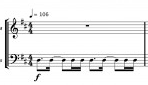
They are a sound or a melody that the consumer associates with a product or service. They are registered by providing a representation of the sound that allows it to be identified clearly.
Scent marks

Scents can also function as distinctive signs. Registering them is more demanding: you have to show that the scent identifies the product’s origin and is not an inherent feature of the product itself.
Color marks

A color can distinguish a trademark and, when it plays that role, it can be registered for exclusive use. This usually requires showing that the public already associates that color with the trademark.
How to know which one to register
The choice depends on what distinguishes your product. If the name is what matters, the word mark gives the broadest protection. If your visual identity is stable, the composite mark protects the whole. Many companies register the name (word mark) and the design (figurative mark) separately to gain flexibility if the logo changes over time. Before deciding, it is worth reviewing the registration process and running a trademark clearance search. Each type is examined under its own criteria, so choosing well from the start saves time and avoids unnecessary objections.
Frequently asked questions
How many types of trademark are there?
In Colombia you can register word, figurative, composite, three-dimensional, sound, scent, and color marks. The first three are the most common; the rest protect non-traditional signs.
What is the difference between a word, figurative, and composite mark?
The word mark protects only the text (words, letters, or numbers). The figurative mark protects only the graphic element. The composite mark protects the combination of both, as a single unit.
Can a color or a sound be registered as a trademark?
Yes. Colors and sounds can be distinctive signs and be registered, as long as they are distinctive and identify the origin of the product. These non-traditional signs require a clear representation in the application.
Which type of trademark should I register?
It depends on what distinguishes your product. If the differentiator is the name, the word mark gives the broadest protection. If your logo changes little, the composite mark works well. Registering the name and the design separately gives more flexibility.
Contact
Not sure how to register your trademark?
At SPI Américas we identify the type of trademark that best protects your business and guide you through registration before the SIC, from the clearance search to the grant. Contact us for an initial consultation.